
Future Finance Podcast
In this podcast Paul Barnhurst, aka The FP&A Guy, and Glenn Hopper, delve into the transformative world of Finance by emphasizing the impact of Technology and Artificial Intelligence (AI) within the Finance Profession.

AI Is Accelerating Faster Than Humans Can Keep Up: What Should Finance Pros Do
Paul and Glenn also discuss how AI is changing the way finance teams work. As tools become more capable, they believe the lasting advantage will come from knowing how to structure processes, give clear instructions, manage AI-powered workflows, and apply human judgment where it matters most.
In this episode, you will discover:
Why finance professionals should stop chasing every new AI model.
Which AI skills are likely to remain valuable as tools continue to change.
Why process thinking, data, and orchestration are becoming more important.
What risks finance teams should consider when using vibe coding and automation.
Why governance and human oversight still matter in AI-powered workflows.

AI, Decision Culture, and the Future of Enterprise Finance with Matija Nakic
In this episode of Future Finance, hosts Glenn Hopper and Paul Barnhurst sit down with Matija Nakic, CEO and Co-founder of Farseer, to discuss how AI is changing financial planning, enterprise software, and decision-making. Matija shares why asking better questions matters, how finance teams can build stronger AI workflows, and where Excel still fits in modern planning.
Matija Nakic is the CEO and Co-founder of Farseer, an AI-native SaaS platform for business modeling, planning, and analysis. With a background in computer engineering, an MBA, and experience across B2B enterprise software, she has progressed from developer to product director and now leads Farseer’s mission to improve how financial professionals plan, model, and make decisions.
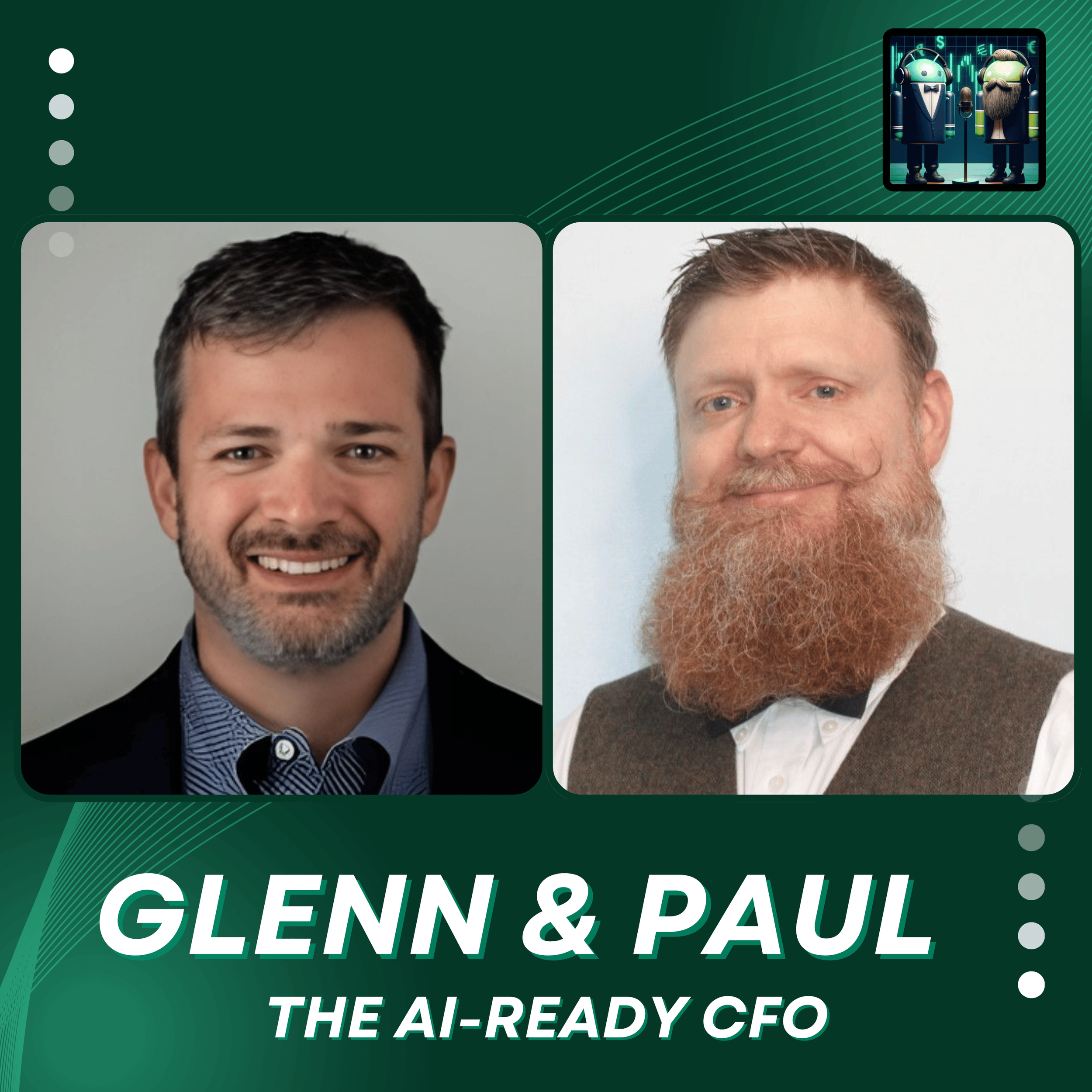
The CFO Should Own AI, Not IT | Glenn Hopper on The AI-Ready CFO
In this episode of Future Finance, Paul Barnhurst speaks with Glenn Hopper about his new book, The AI-Ready CFO, and how finance leaders can successfully navigate AI adoption. Glenn explains why CFOs need to take ownership of AI strategy, how to balance speed with risk, and why strong governance, data readiness, and change management are essential for building trust in AI.
In this episode, you will discover:
Why CFOs need to play a leading role in AI adoption.
How finance teams can balance AI speed with governance and risk management.
Why data readiness and process documentation are critical before implementing AI.
How to build trust in AI through transparency, audit trails, and human oversight.
How CFOs can create effective AI pilot programs and scale successful initiatives.

How Finance Pros Should Manage Data Context and Token Forecasting
In this episode of Future Finance, hosts Paul Barnhurst and Glenn Hopper discuss AI fatigue, better ways for finance teams to use AI, and the growing challenge of forecasting AI costs. They explore why finance leaders should focus less on chasing new models and more on building the data, context, and workflows needed to get real value from AI.
In this episode, you will discover:
Why finance teams should stop chasing every new AI model.
Why context is becoming more important than prompting alone.
How better KPIs and data foundations improve AI results.
How organizations can forecast and manage AI token costs.
Why AI success should be measured by business outcomes.

The AI Data Pioneer: Building the Future of Finance with Alex Curran
Alex Curran is the CEO of Aptitude Software, a company that has spent over 40 years building finance solutions for complex organizations. After joining Aptitude over 12 years ago, Alex progressed through multiple leadership roles before becoming CEO in 2023. She now leads the company’s focus on AI-native finance technology and modern ERP solutions.
In this episode, you will discover:
Why CFOs are expected to become strategic partners in business decisions.
Why clean data and strong architecture are essential for successful AI adoption.
How AI-native ERP systems differ from traditional finance platforms.
Why real-time finance and continuous close are becoming possible.
How AI will change finance roles and create new opportunities.

AI Is Already Changing Data Jobs: Why You Must Create More Value Now with Rob Collie
Robert Collie is the founder and CEO of P3 Adaptive, a Microsoft analytics and AI consulting firm. During his 13 years at Microsoft, Robert helped lead the development of Power Pivot and Power BI. He is also the author of the bestselling Power Pivot and Power BI book and hosts the Raw Data with Rob Collie podcast. His upcoming book, Fair Game: Customizing AI to Your Business is Easier Than You Think, explores how organizations can make AI practical and accessible.
In this episode, you will discover:
How Power BI and Power Pivot changed the way organizations use data.
Why AI is creating new opportunities for finance and data professionals.
Why sitting still with current skills can create career risks.
How companies can build AI systems using strong data foundations.
Why semantic models are becoming essential for AI adoption.
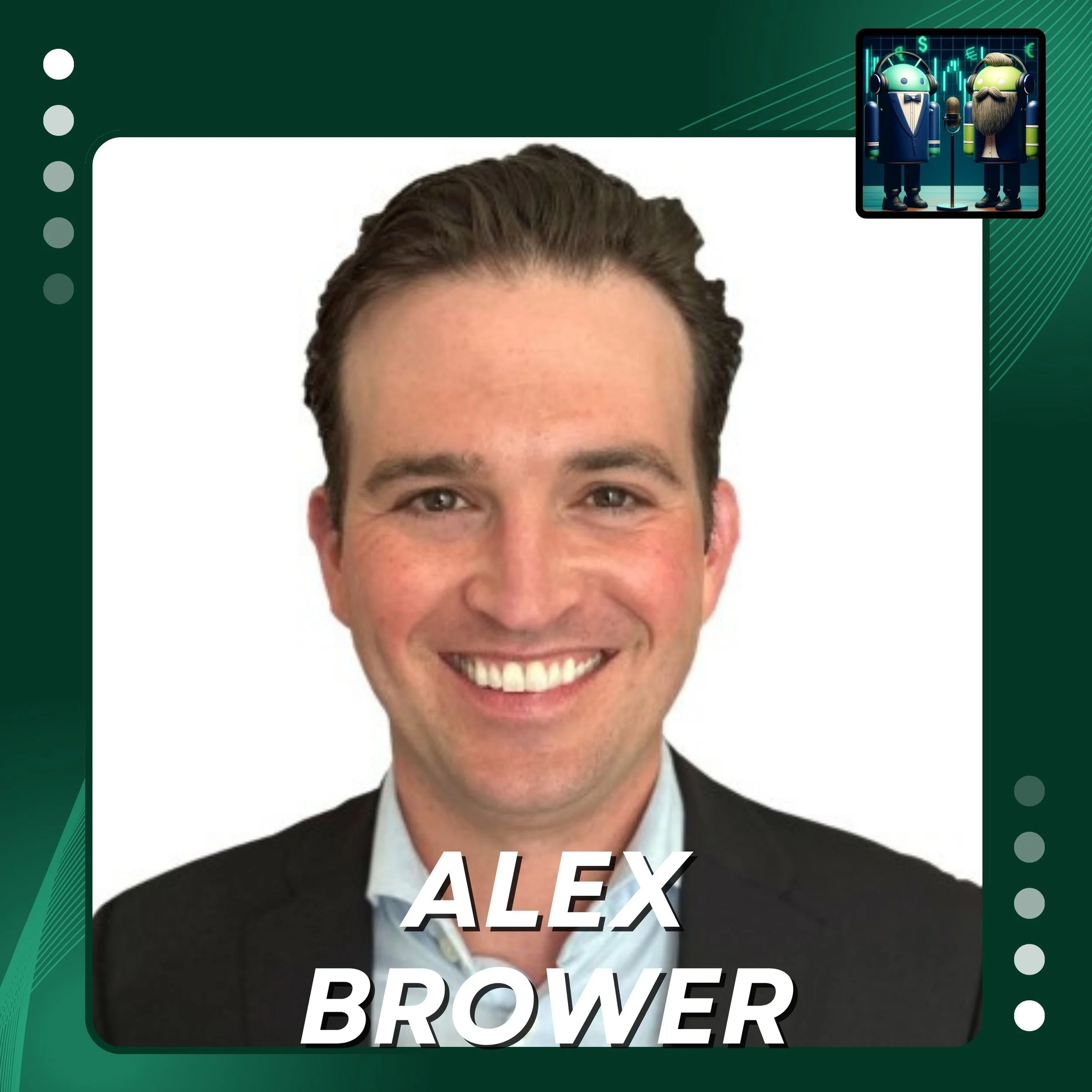
How to Align Marketing and Finance and Fix the Plumbing Problem with Alex Brower
Alex Brower is the co-founder and CEO of QFlow.ai, helping finance and go-to-market teams connect data, improve forecast accuracy, and boost analyst productivity up to five times. He previously led finance and marketing at high-growth tech firms like AppTelligent (acquired by VMware) and Cloud Academy (acquired by QA).
In this episode, you will discover:
Fix data plumbing before system consolidation.
Use data dictionaries for consistent definitions.
AI helps, but semantic logic is still needed.
Vibe coding can create hidden costs if untested.
Start with key unanswered questions, then plan solutions.
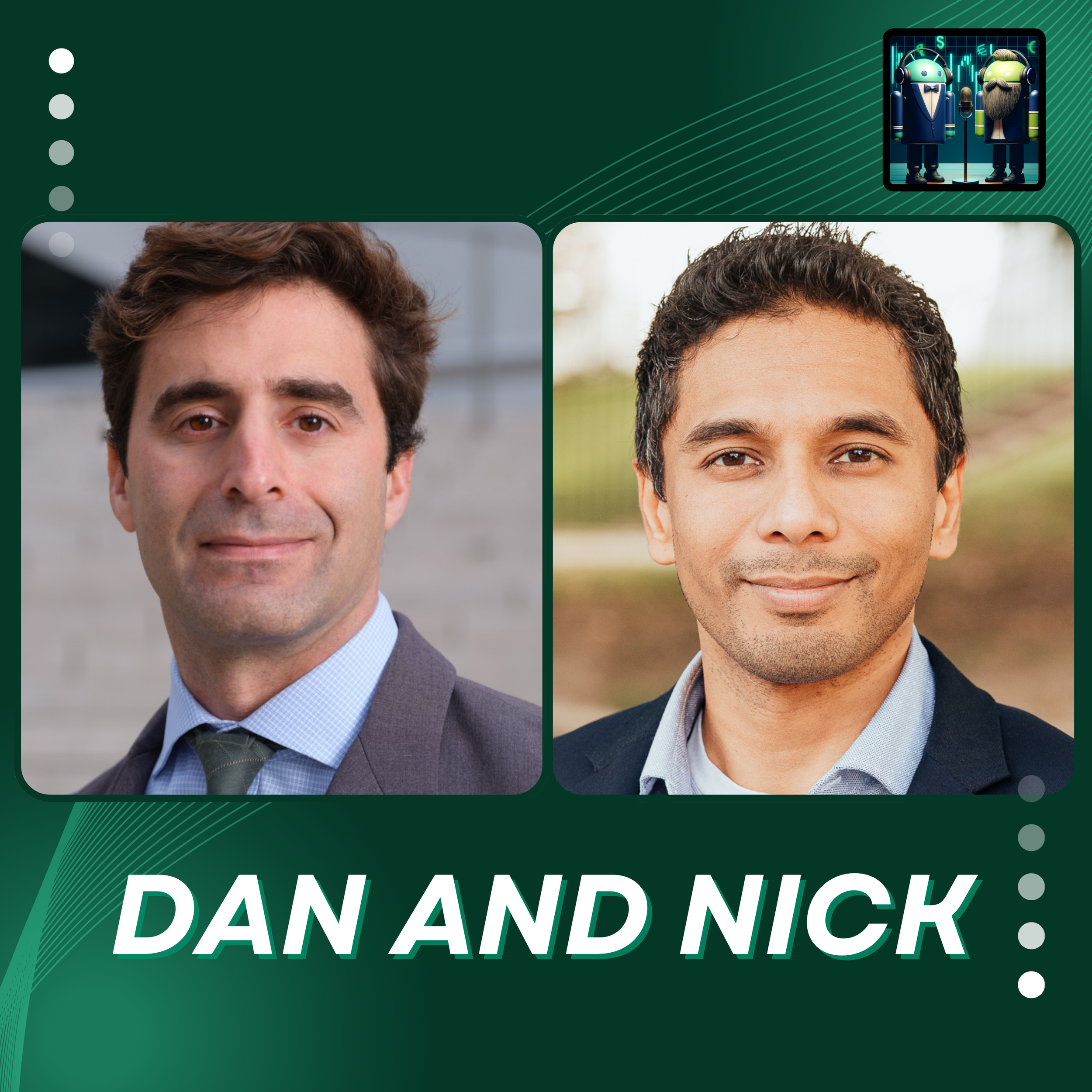
How to Save Time in FP&A Using Structured AI Analysis with Nick and Dan
Dan and Nick are co-founders of Eagle Rock CFO, a financial advisory firm helping mid-size businesses grow faster and improve profitability. They combine AI and technology to deliver operational finance insights at a fraction of traditional consulting costs. Both are Harvard Business School graduates, with undergraduate degrees from Stanford and Dartmouth. Dan previously co-founded FinTech company Zanbato and worked as a professional investor at PrimeCap, while Nick has experience in private equity investing and scaling companies across SaaS, footwear, and trucking.
In this episode, you will discover:
AI works best when paired with structured financial data, not raw inputs
Why deterministic systems still matter alongside AI in finance workflows
How Eagle Rock’s 5-step system improves financial analysis accuracy
Why human oversight is still needed in AI-powered FP&A systems
How fractional CFOs can save 20–50 hours per month using AI tools

How Companies Are Losing Millions While Being Data Rich with Ron Nachum
Ron Nachum is the founder and CEO of Sapien, an AI-native platform that deploys agents to understand and act on messy, siloed data across ERPs, data warehouses, CRMs, and spreadsheets. Ron studied at Harvard, where he focused on computer science, statistics, and applied AI research. He has spent years building AI solutions for finance and operational processes, creating systems that help companies make better, faster decisions and optimize their operations.
In this episode, you will discover:
AI can unlock value from messy, siloed financial data
Sapien’s platform automates reporting, forecasting, and operational decisions
Human oversight and governance remain crucial for AI configurability
Talent density and culture are key to scaling a young, fast-growing company
Early entrepreneurial mindset shapes long-term innovation
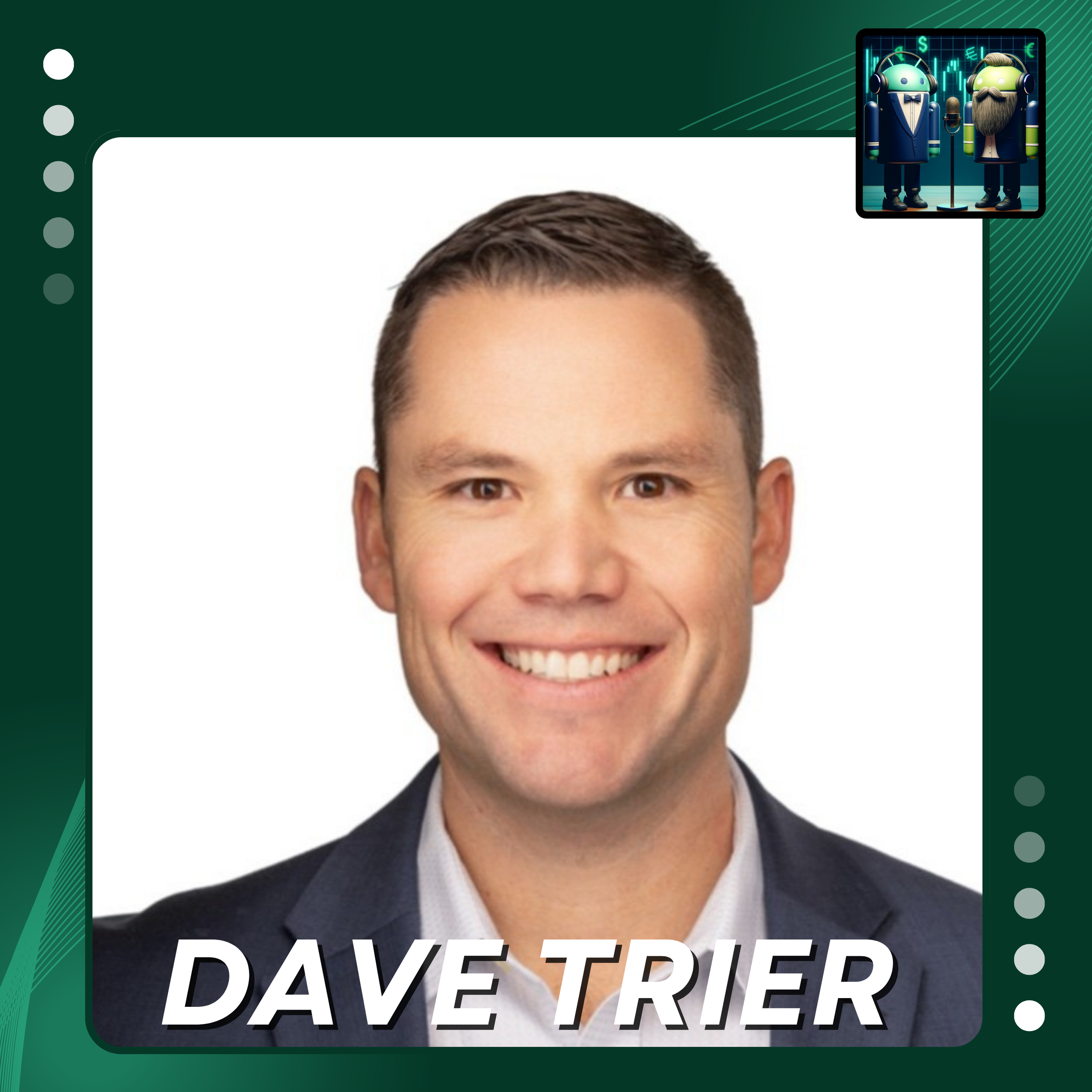
AI Strategy for CFOs Is a Wild West Without Governance Turn AI Into a Portfolio System – Dave Trier
Dave Trier is CEO of ModelOp, leading the company with a focus on customer value, product innovation, and enterprise execution. With over 20 years of experience across AI, data science, analytics, cloud, and enterprise software, Dave is a patent-holder and trusted partner to CIOs, CTOs, and AI leaders. Prior to becoming CEO, he shaped ModelOp’s product strategy and held senior roles at Think Big Analytics, Powered by Action, and Accenture Technology Labs. He holds a BS in Electrical Engineering from the University of Notre Dame.
In this episode, you will discover:
How to industrialize AI delivery across an enterprise
Managing risk, governance, and compliance for AI implementations
Measuring AI ROI using financial, feedback, and usage metrics
The CFO’s role in AI oversight and rationalizing AI investments
Key lessons for change management and process discipline in AI adoption

Why Unified Systems are More Important Than Ever in the Era of AI with OneStream President Scott Leshinski
Scott Leshinski is the President of OneStream Software, where he leads OneStream’s growth and innovation. With a background in corporate finance at GE Capital, co-founding Bluestone International, and working at Huron Consulting Group, Scott has a wealth of experience in driving major tech transformations. He joined OneStream in 2021 and was promoted to President in 2023 after helping the company achieve impressive growth.
In this episode, you will discover:
What OneStream's acquisition by Hg Capital means for its future
The benefits of using a unified platform in finance
How automation is improving financial processes
The evolving role of automation in financial planning and decision-making
How OneStream’s tools are helping businesses become more agile and efficient

AI Agents Are Replacing Finance Workflows While Revenue Gets More Complex with Ali Hussain
Ali Hussain is the CEO and co-founder of Tabs, where he leads the development of AI-native solutions designed to automate the billing, collections, and revenue recognition process. With a background spanning product leadership at Google, strategy consulting at BCG, and public policy, Ali is at the forefront of the next wave of finance technology.
In this episode, you will discover:
How AI is transforming revenue management in finance
The importance of data context in AI-powered tools
Why traditional finance systems fail to address modern revenue models
How Tabs automates billing, collections, and revenue recognition

AI in Financial Modeling for Analysts to Improve Accuracy and Speed with David Ingraham
David Ingraham is the CEO and founder of HyperPerfect, a financial reporting and accounting platform that integrates powerful AI directly into Excel. With nearly 20 years of experience in private equity, David has worked on deals totaling over $1.5 billion. He is also passionate about educational initiatives, serving as board president of Aim High, a Bay Area nonprofit that provides free summer education to nearly 2,000 students annually.
In this episode, you will discover:
Why are finance professionals slow to adopt AI despite its potential
How AI should be treated as a teammate, not a replacement
Why context is everything in AI models, especially in Excel
The limitations of AI in finance and how to work around them

How Finance Teams Can Overcome AI Fear and Build Real Use Cases That Work with Josh Schauer
Josh Schauer is the CFO at insightsoftware, where he leads financial strategy and operations. He previously served as SVP of Finance from 2020 to 2024 and led Financial Planning and Consolidation at Longview before its acquisition by insightsoftware. Josh has extensive experience in FP&A, consolidation, and finance transformation, and holds a Bachelor’s degree in Accounting from the University of Wisconsin–La Crosse.
In this episode, you will discover:
Why are finance teams slow to adopt AI despite knowing its importance
Why AI should be treated as a teammate, not a replacement
How poor data and broken processes limit AI’s value
Practical use cases for AI in FP&A, including variance analysis
How scenario planning can be done faster using AI

AI Governance for CFOs to Control Board Risk and Lead Strategic Transformation with Shannon Nash
Shannon Nash is a global C-suite leader, CPA, attorney, and board director with over 30 years of experience across finance, technology, and governance. She is a Partner at Alpha AI, where she helps organizations strengthen AI governance and strategic decision-making. Shannon has served as CFO at companies like Wing, Reputation.com, and Inside Source, and currently sits on multiple boards, including SoFi Bank and NetScout Systems.
In this episode, you will discover:
Why finance professionals must continuously retool in the age of AI
How AI is changing the role of CFOs and decision-making
The importance of AI governance at the board level
How to manage AI investment alongside “AI sprawl.”
What key questions boards should be asking about AI
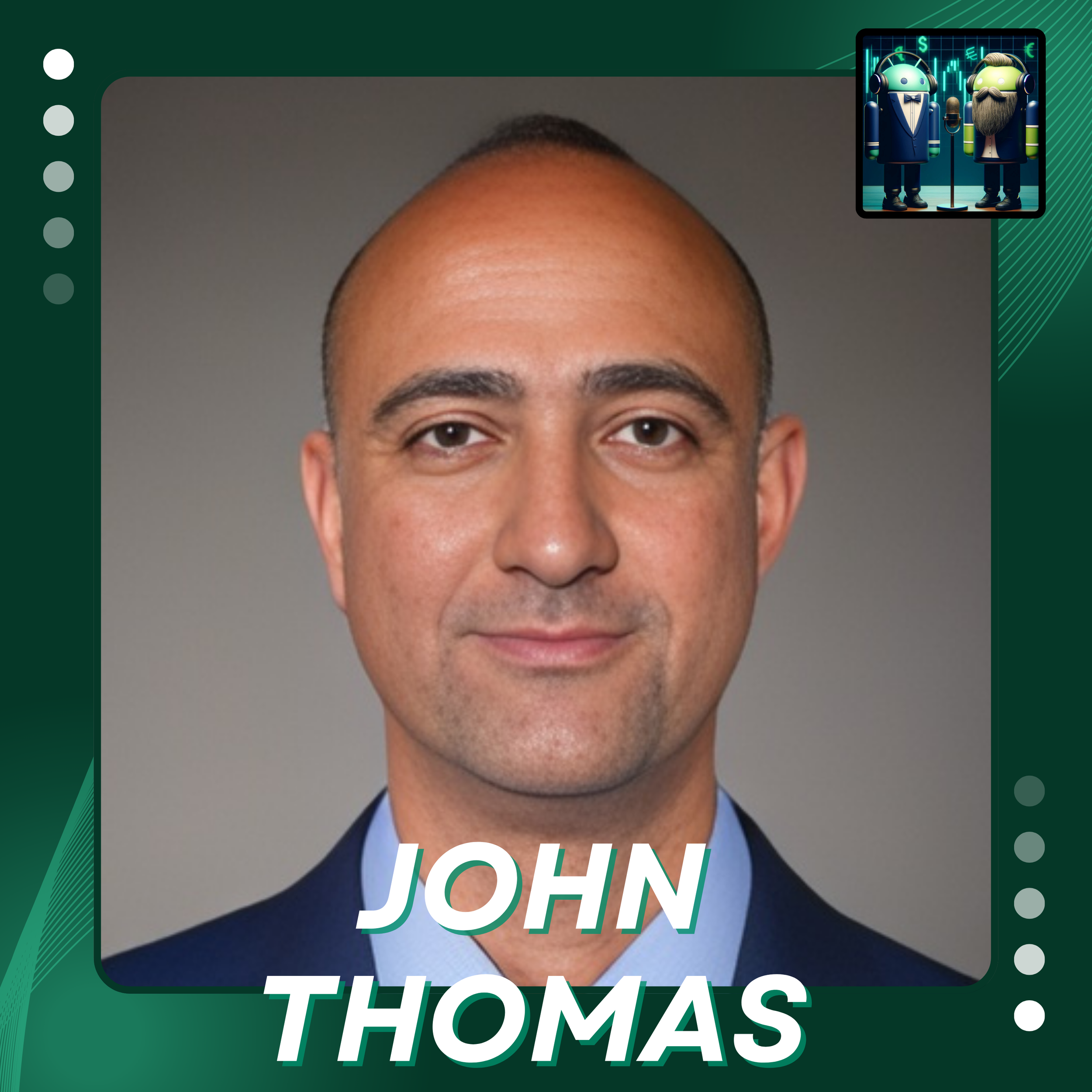
How Finance Leaders Can Stop AI Failure and Adopt Augmented Intelligence with John Thomas
John is the Founder and CEO of the Global Institute of Data Science (GIDS), a consulting and professional development organization focused on helping organizations successfully implement AI and data science initiatives. He serves as a Fractional Chief AI Officer for Fortune 500 companies and teaches AI and machine learning courses at Caltech CTME and UC San Diego Extended Studies.
In this episode, you will discover:
Why 85% of AI projects fail and how to avoid
The difference between AI hype and real implementation
How augmented intelligence improves human decision-making
Why asking the right questions about AI models matters most
How AI can help with risk analysis and financial decision-making
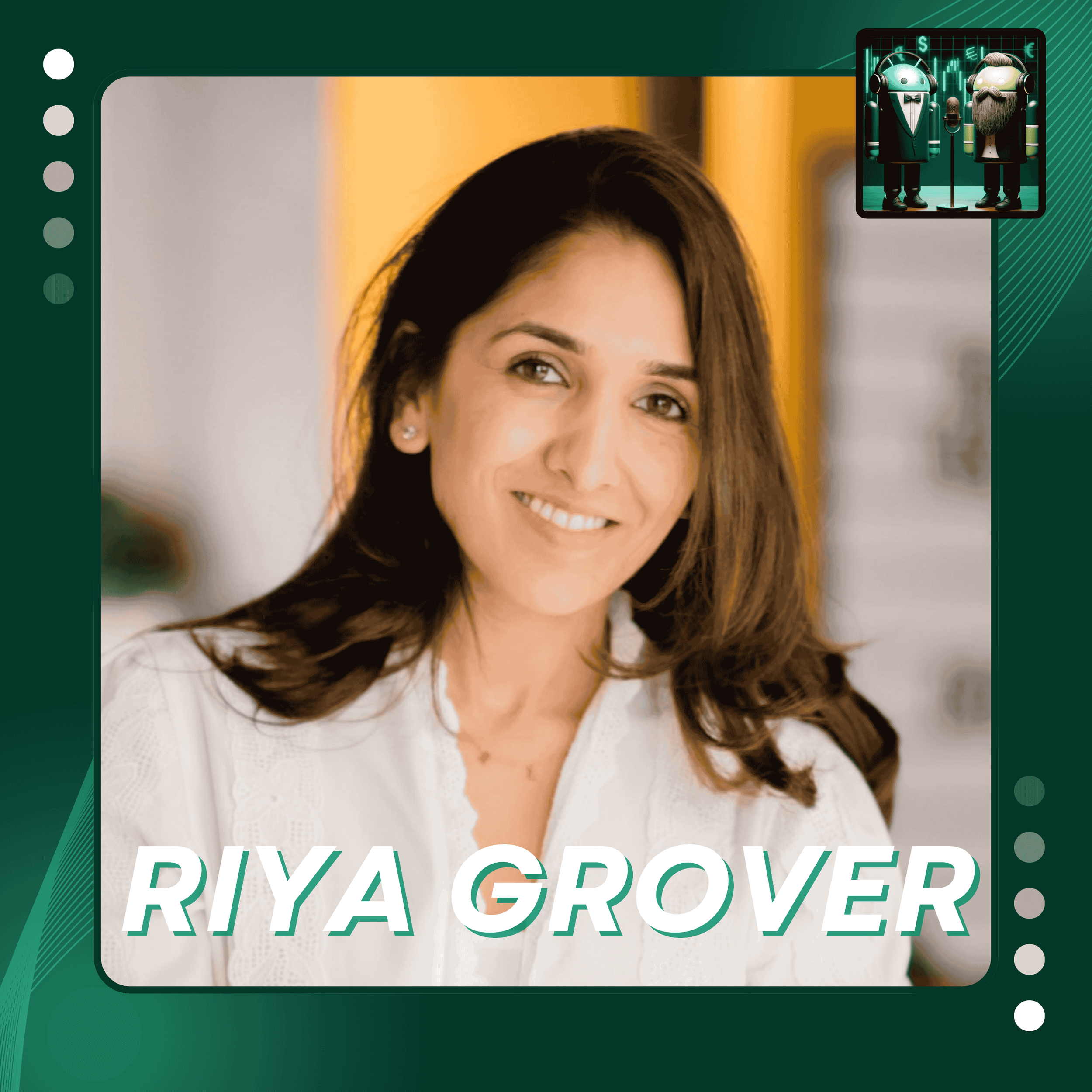
How Modern Finance Teams Are Automating Billing and Revenue Workflows with AI Tools - Riya Grover
Riya Grover is the Co-founder and CEO at Sequence. Sequence, backed by a16z with $40M raised, is building the first agentic platform for accounts receivable. The company helps B2B businesses automate quoting, billing, invoicing, and revenue recognition, especially for complex pricing and custom contracts. Prior to Sequence, Riya founded Feedr, a venture-backed company that exited to Compass Group in 2020. She holds an MBA from Harvard Business School and a BA in Economics and Management from Oxford University.
In this episode, you will discover:
Why building a two-sided marketplace is incredibly difficult
How modern B2B pricing models break traditional billing systems
The difference between deterministic systems and generative AI in finance
Why human-in-the-loop design is critical for financial AI agents
What the future finance tech stack will look like in the next five years

Claude AI Replaces ChatGPT and Copilot in Finance to Automate Workflows without Planning Tools
Paul and Glenn discuss their firsthand experiences with AI-driven tools, from tracking expenses and managing journal entries to building financial models. They also dive into the ways small and medium businesses are utilizing AI-powered Excel agents to streamline their financial processes without the need for expensive, traditional planning tools.
In this episode, you will discover:
The impact of AI agents in finance and how they simplify workflows.
Personal experiences with Claude and Copilot in real-world finance tasks.
How to integrate AI into your finance team’s daily tasks.
The benefits and challenges of AI-powered automation in finance.
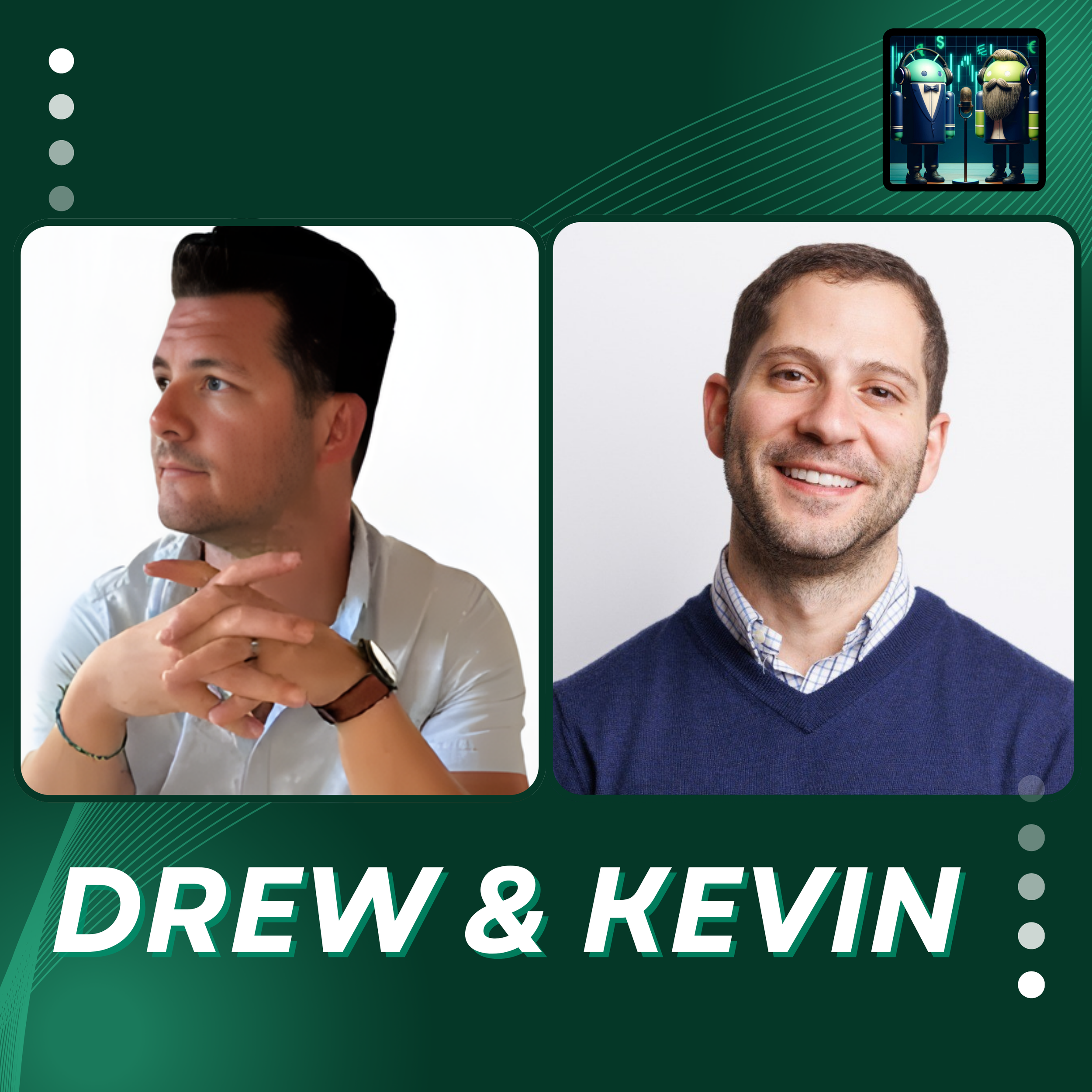
How SMBs Can Fix Bookkeeping to Build Trustworthy Data and Scale Finance with Kevin & Drew
Kevin A.Thomas, CFA, is the founder of Omniga and a seasoned strategic finance leader focused on scaling digital businesses. Kevin is passionate about rebuilding the back office to help businesses make smarter decisions, faster. Drew Hyatt is the Co-Founder and CTO of Omniga. He plays a key role in architecting Omniga’s infrastructure, translating complex workflows into scalable technology for finance teams.
In this episode, you will discover:
Why clean books are the foundation for strong financial decisions
The hidden risks in small business bookkeeping and how to fix them
The difference between replacing tasks and supporting human judgment
How to expand from bookkeeping to full finance strategy support
How to structure a finance workflow that scales with your business

AI Adoption Is Surging but Finance Pros Are Falling Behind Due to Bad Data and Poor Strategy in 2026
Paul and Glenn discuss how individuals have become far more comfortable using AI tools in their own work, while companies as a whole have moved much more slowly. Topics include ongoing data quality problems, hesitation around governance and security, and why many organizations still struggle to integrate AI into core systems and workflows. They also share their thoughts on notable developments from 2025, including OpenAI’s shift toward consumer use, Microsoft Copilot’s mixed results, Google Gemini’s rapid improvement, and Nvidia’s continued growth.
In this episode, you will discover:
How AI adoption differs between individuals and organizations
Why poor data quality still limits many finance teams
What recent changes from OpenAI, Microsoft, Google, and Nvidia suggest
Where Microsoft Copilot works well today and where it falls short
Why automation and basic app-building are becoming more important